

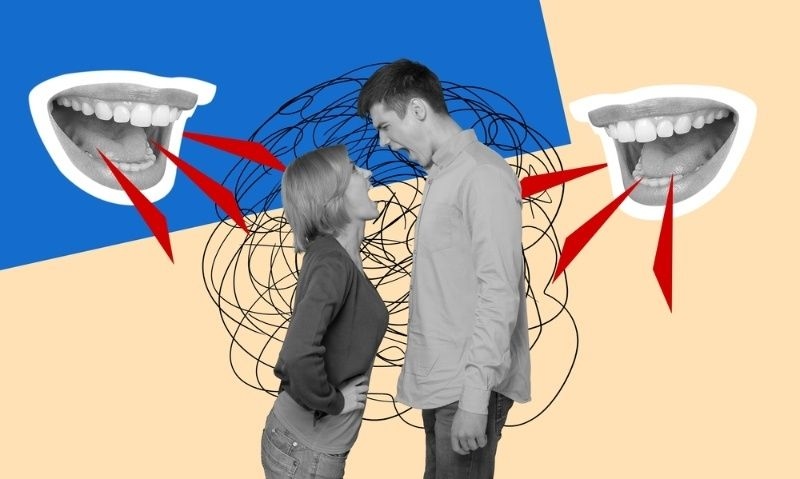
Every couple fights. The question isn’t whether conflict happens. The question is what happens after conflict shows up. Do they repair? Do they learn? Or do they repeat the same argument with different words until everyone feels tired and misunderstood?
Healthy couples aren’t the ones who never argue. They’re the ones who know how to argue without turning it into emotional damage. They know how to stay on the same team even when they disagree.
This guide breaks down relationship conflict resolution in a practical way. No therapy jargon overload. Just clear strategies couples can use when things get tense.
Most arguments go sideways because couples have the wrong goal. They try to win, prove a point, or get the last word. That turns a disagreement into a power struggle.
A healthier goal is simple: understand each other and solve the problem. Not “who is right.” More like “what’s happening between us?"
A Good Mental Shift:
When couples share that goal, the whole conversation changes.
A lot of conflict is not about the topic. It’s about how the topic is delivered.
These couples conflict communication tips make hard conversations safer:
Soft start doesn’t mean weak. It means effective. People listen more when they don’t feel attacked.
Arguments get destructive when they turn personal. That’s why couples need a few rules they both follow, even when emotions run high.
These healthy argument strategies help:
A couple can disagree strongly and still be respectful. Respect is the baseline that keeps trust intact.
Conflict isn’t only mental. It’s physical. Heart rate rises. Breathing gets shallow. People stop listening and start defending. That is normal, but it needs managing.
Emotional conflict management skills help couples stay regulated:
Breaks work only if both people return. A break is for calming down, not for punishing or disappearing.
Couples often argue about the surface issue, but the real issue is underneath. For example, a fight about dishes might actually be about feeling unappreciated.
Helpful questions for solving relationship disagreements include:
Questions shift the conversation from accusation to understanding.
Some couples fight, "resolve," and then repeat the same argument next week. That’s usually because the solution wasn’t practical enough.
These relationship problem solving tips help solutions stick:
Example: instead of “help more,” try “you handle dishes on weekdays, I handle weekends.” Concrete wins.
A lot of relationship strength comes from repair. Repair is what couples do after a hard moment to rebuild safety.
Repair can look like:
Repair isn’t dramatic. It’s steady. It signals, "We're okay, even when we disagree.”
Couples often have different conflict styles:
Neither style is automatically wrong, but a mismatch creates trouble.
A helpful approach:
Conflict styles can be managed when both people stop judging each other for how they respond.
Sometimes couples know what they feel but can’t find the words. Scripts help because they keep the conversation grounded.
Try these:
These are simple, but they prevent a lot of spirals.
The second mention of relationship conflict resolution matters because success doesn’t mean never fighting. It means fighting better.
Signs it’s working:
Progress looks like fewer repeated fights and faster recovery.
The second mention of couples conflict communication tips is for sensitive issues like money, family boundaries, intimacy, or trust. These topics require extra care.
Helpful habits:
Hard topics don’t get solved in one talk. They get solved through ongoing, safer conversations.
The second mention of healthy argument strategies is the reminder that respect is a choice, even when emotions are loud.
If a couple feels heat rising, they can say:
That kind of honesty reduces damage.
The second mention of emotional conflict management is important because triggers change the whole conversation. If someone is triggered, they may hear danger where none was intended.
In those moments:
Emotional safety is the foundation of real problem solving.
The second mention of solving relationship disagreements is the reminder to stop scorekeeping. Scorekeeping kills teamwork.
Instead of:
“I did this three times; you did it once.”
Try:
“What system would make this fair moving forward?”
Couples who stop keeping score usually feel closer because the relationship becomes a partnership again.
The second mention of relationship problem solving tips comes down to structure. Structure prevents repeated fights because it reduces confusion. Schedules, agreements, shared calendars, and basic routines remove many conflict triggers.
Love is emotional, but peace is often logistical.
The first step is calming the conversation and choosing the right goal: understanding and solving the issue, not winning the argument.
They can use respectful rules: no insults, no threats, one topic at a time, and taking breaks when emotions escalate.
If the same conflicts repeat without resolution, trust is breaking down, or arguments become emotionally unsafe, counseling can provide tools and structure to rebuild communication.
This content was created by AI